

Horse Properties for Sale in Bozeman and the Gallatin Valley
Looking for a horse property or equestrian ranch around Bozeman? The Gallatin Valley and the surrounding areas offer some of the best equestrian land in Montana, from smaller acreage homes with a barn and a few pastures to full working ranches with irrigated hayfields and water rights. Tamara Williams and Company can help you find a property with the acreage, structures, and setup your horses need. If you don't see the right property in the current listings below, message us directly. Inventory changes constantly, and we can often help you find horse properties before they hit the market.
Quick Answers for Horse Property Buyers
- How much land? Plan for more acreage per horse than in wetter states, usually 2 to 5 acres for real grazing, or supplement with hay. Irrigated pasture is far more productive.
- Water rights are the top thing to verify. They're tied to a property's history and are not automatic. They affect both value and pasture productivity.
- Zoning and covenants decide the rules. They determine whether horses are allowed and how many. Always confirm before buying.
- Where to look: Gallatin Gateway, Belgrade, Four Corners, Springhill, Manhattan, and the Shields Valley all have options at different price points.
- Price range: from under $1 million in outlying areas into the multiple millions closer to Bozeman, with large legacy ranches reaching much higher.
Search All Bozeman, Montana Horse Ranch Listings


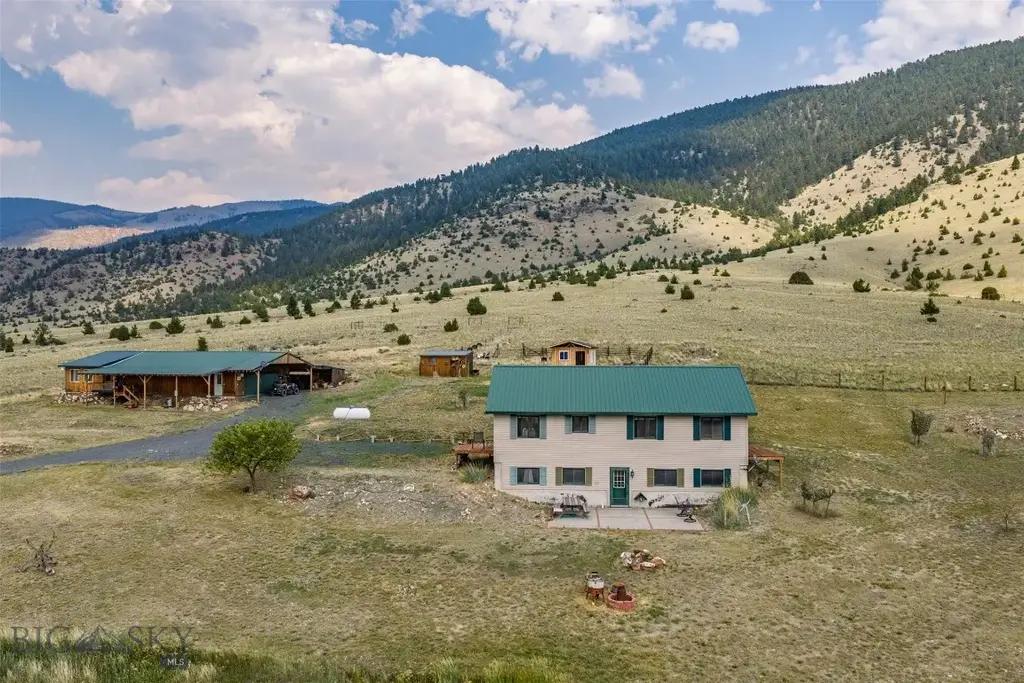
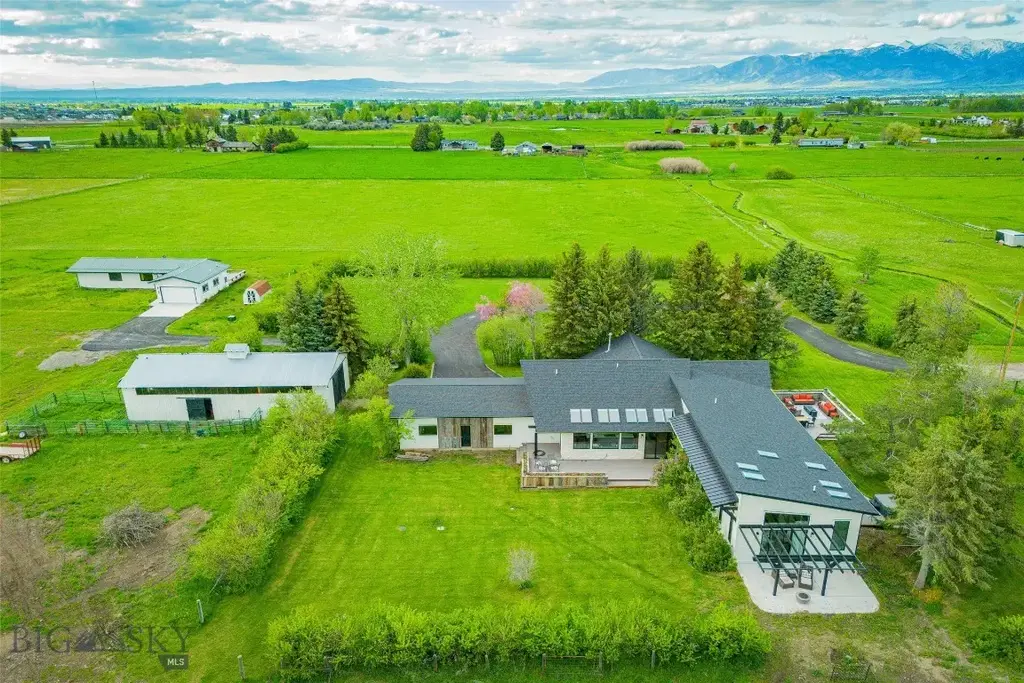
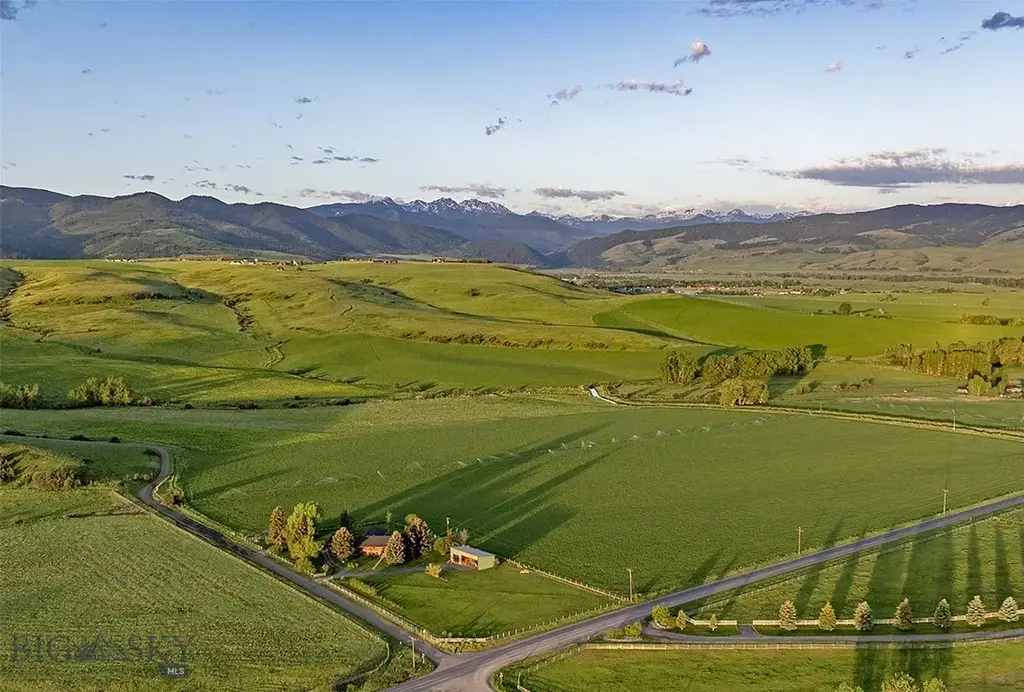
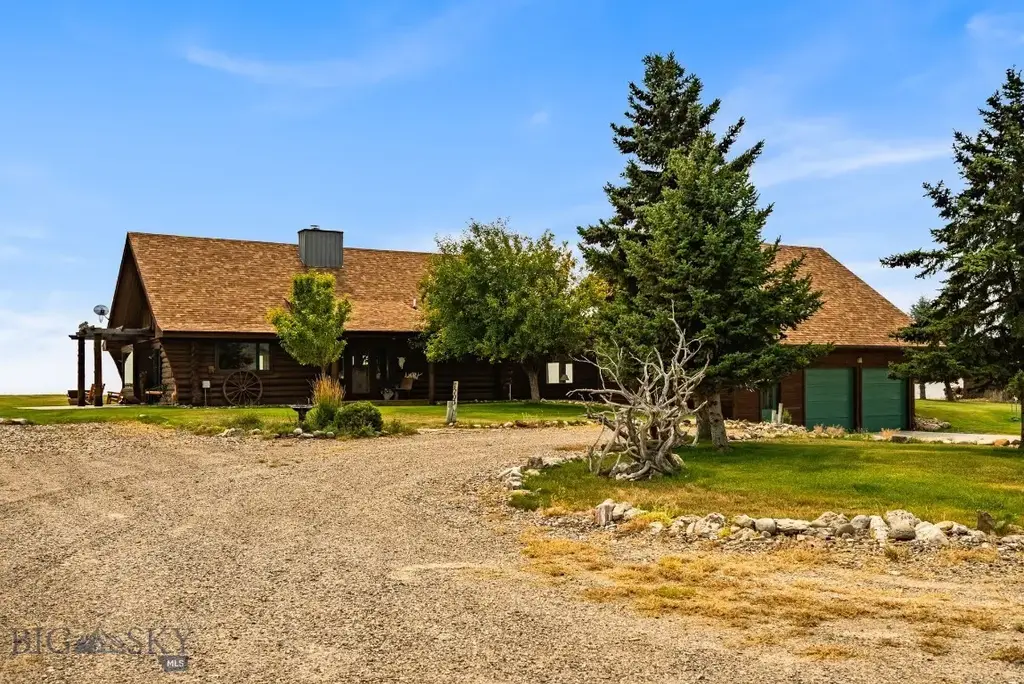
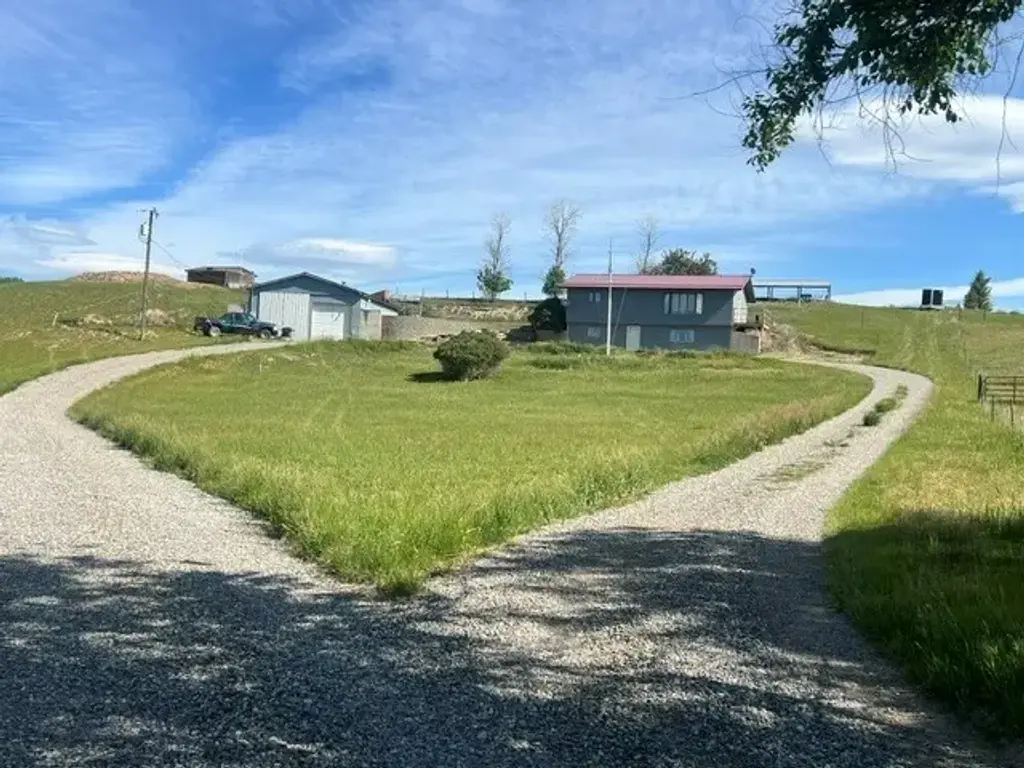
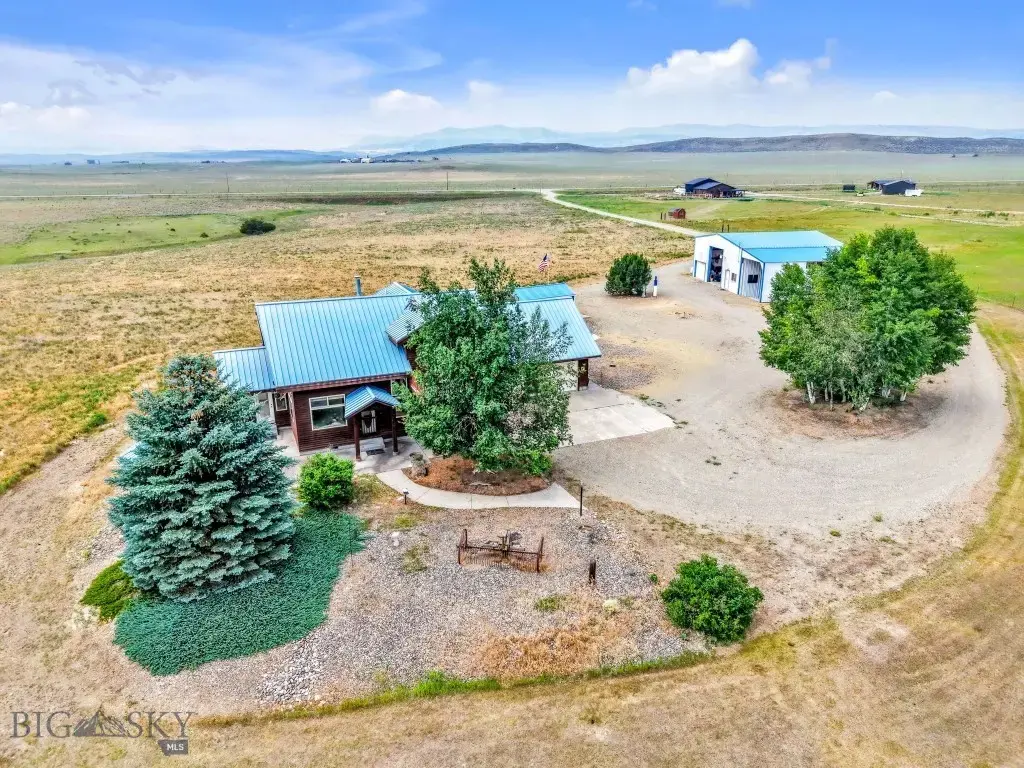
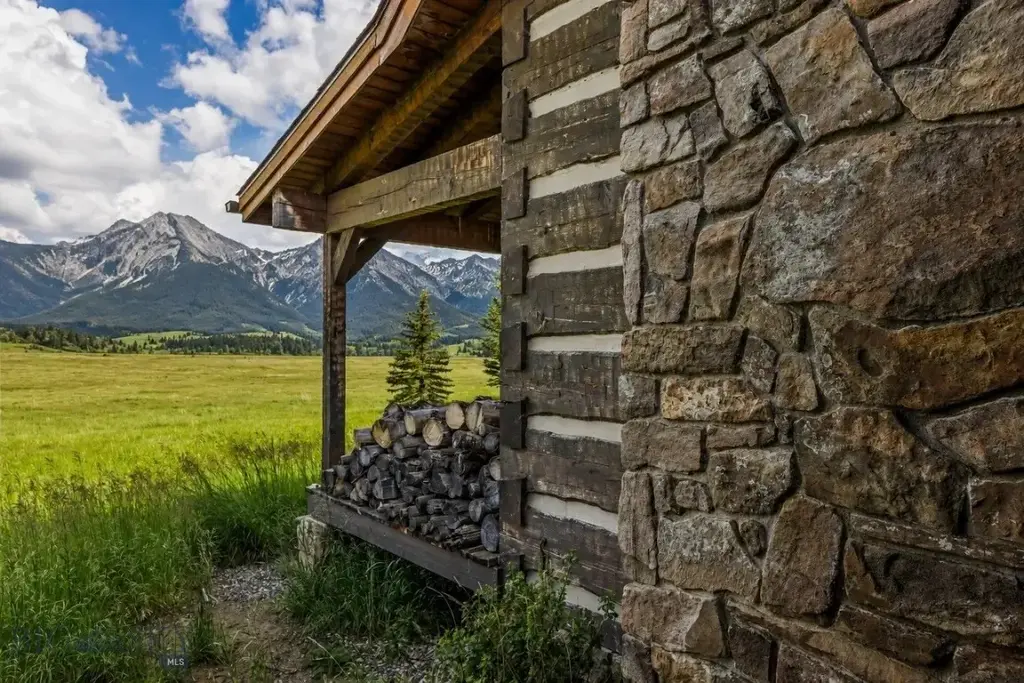


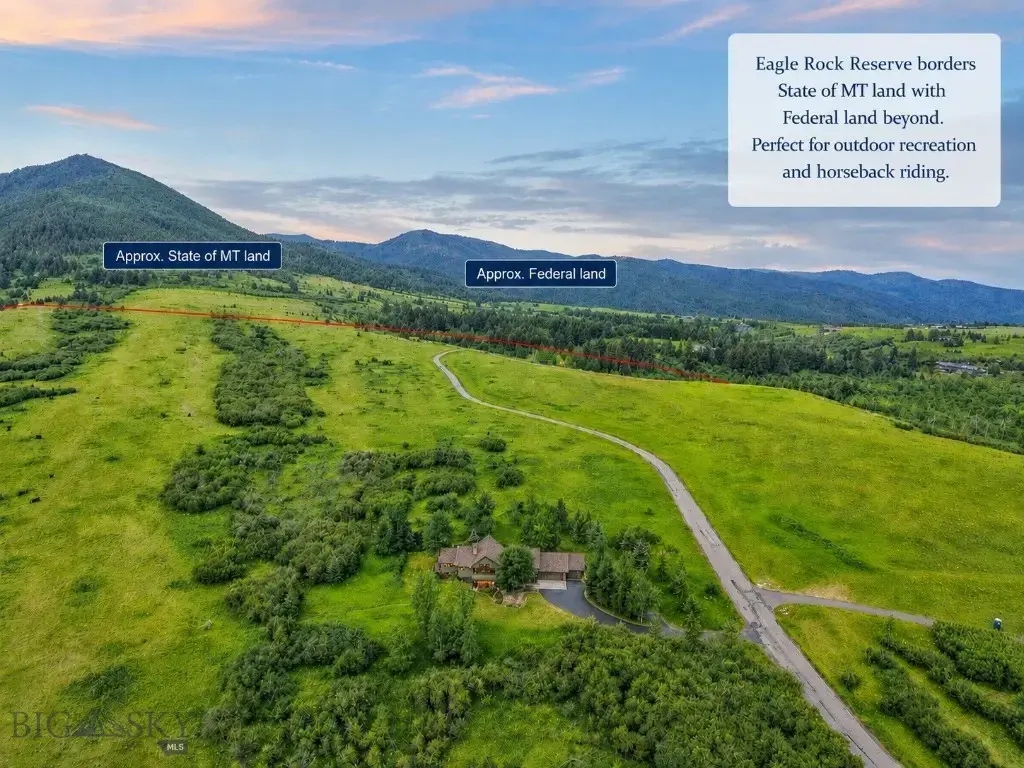

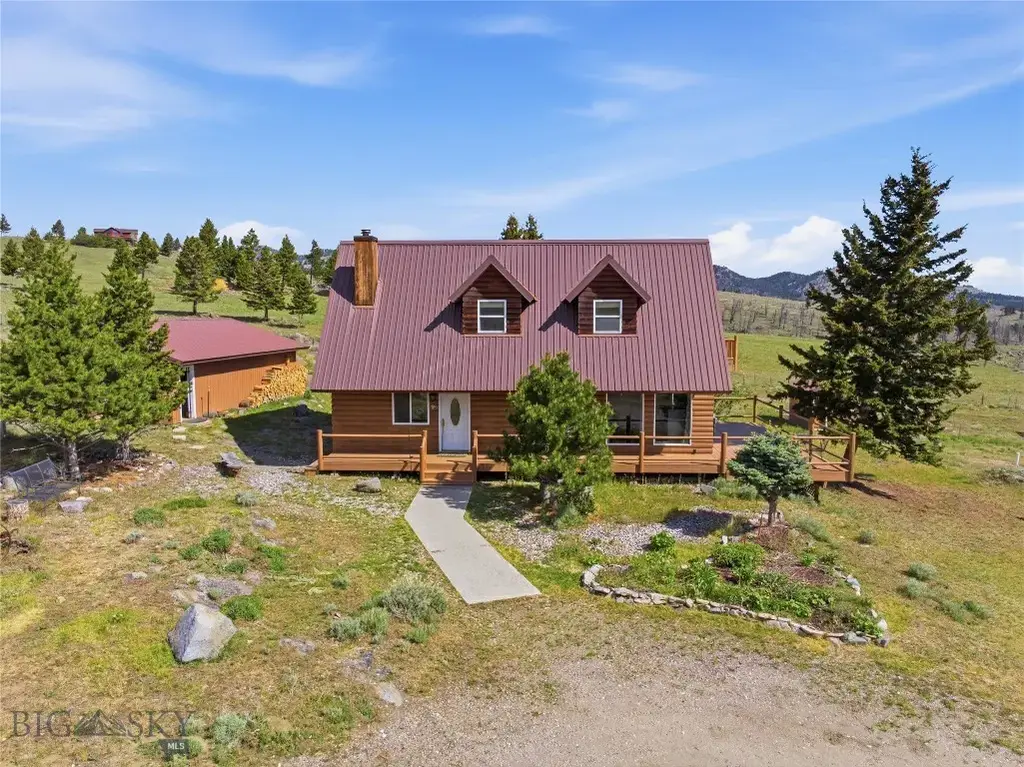

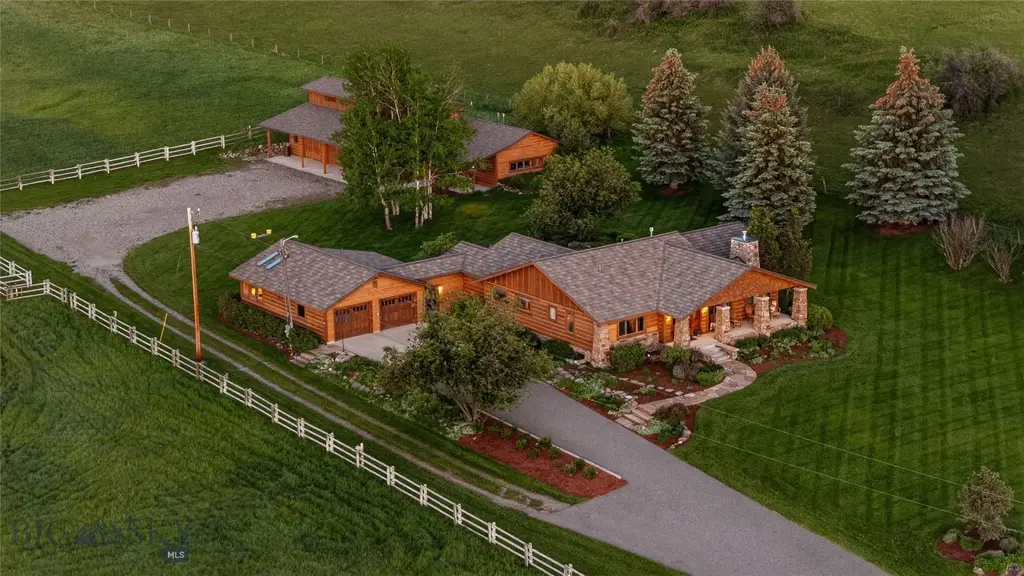

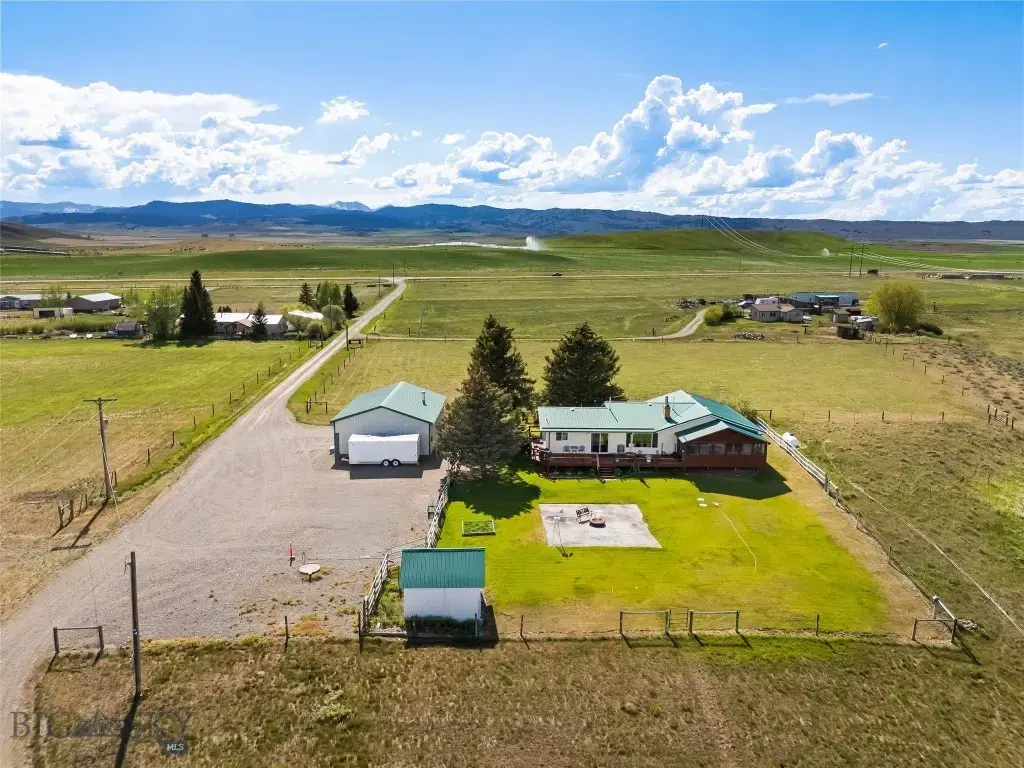
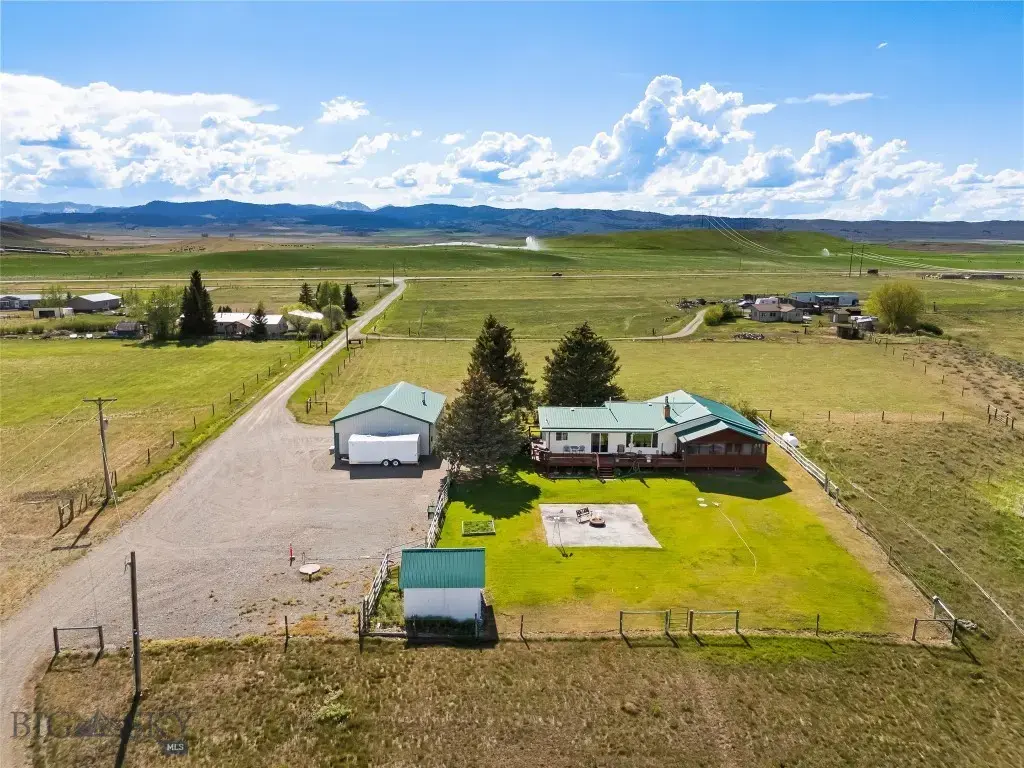


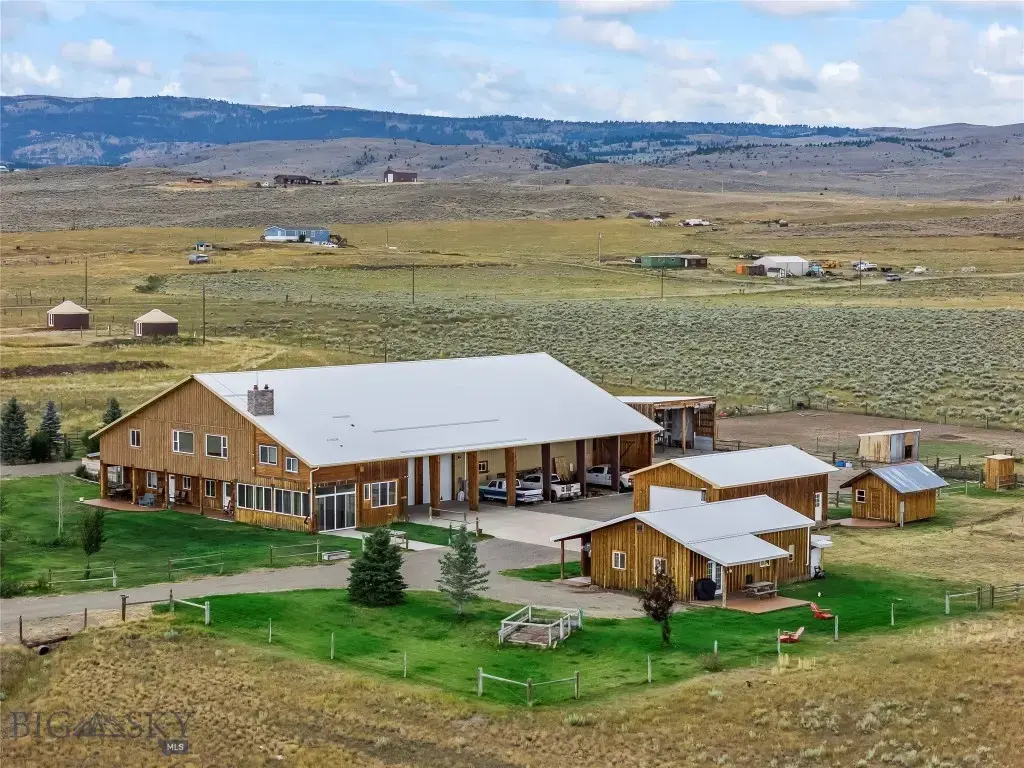
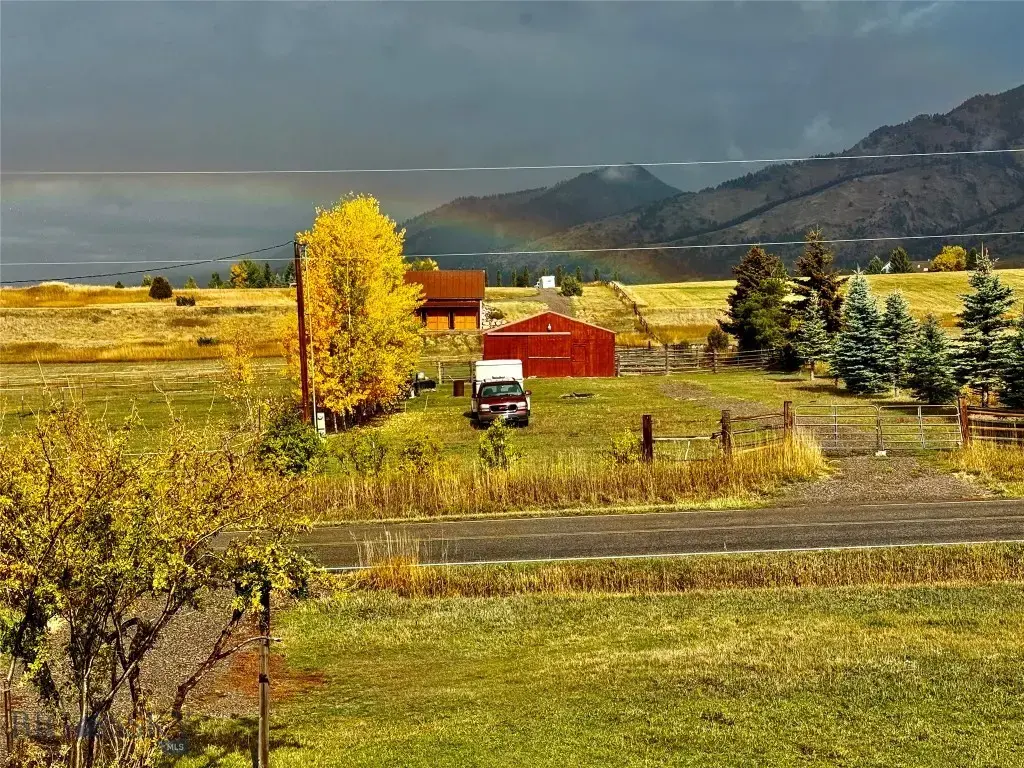


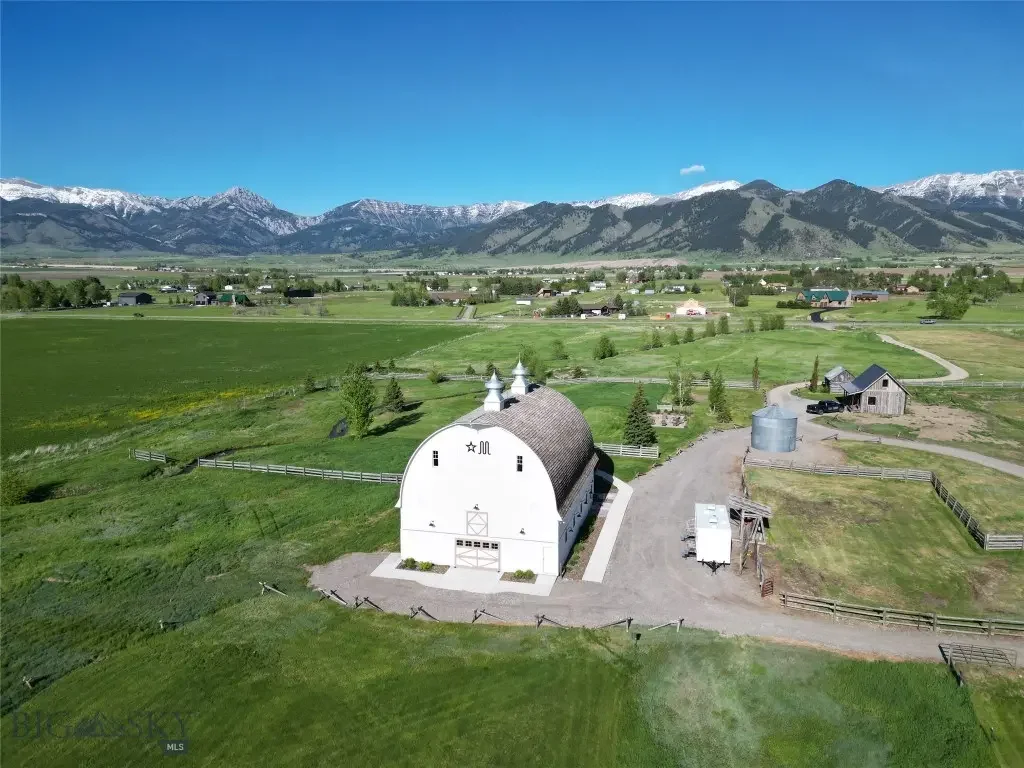
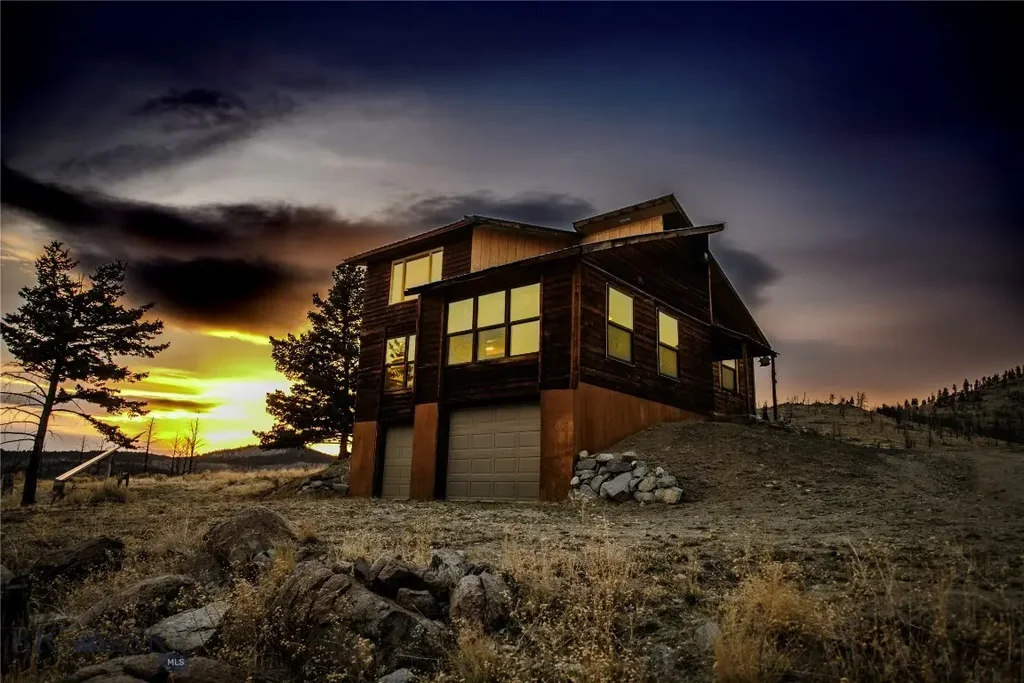

Buying a Horse Property Around Bozeman: What to Know
A horse property is a bigger decision than a standard home. You're buying land, water, structures, and zoning as much as you're buying a house. Here are the things that matter most when you're evaluating equestrian properties in the Gallatin Valley, from someone who works with these buyers regularly.
How Much Land Do You Need?
Montana's climate changes the usual math. In wetter parts of the country, one to two acres of pasture per horse is a common guideline. In our semi-arid climate, dryland pasture is less productive, so many owners plan for more land per horse if they want the pasture to actually feed their animals, or they run fewer horses and supplement with hay. Irrigated pasture is far more productive than dryland, which is why irrigation rights matter so much here. Think about how you want to use the land: full grazing, partial grazing with hay, or mostly a place to keep horses with hay brought in.
Water Rights: The Single Most Important Thing to Verify
Water is the factor that separates a great Montana horse property from a difficult one. Montana uses a prior-appropriation water rights system, which means water rights are tied to a property's history and are not automatic just because water runs through or under the land. Irrigation rights determine whether you can water pasture and hayfields. Stock water rights matter for livestock. These rights significantly affect both the value of a property and how productive it can be.
Before you make an offer on any property you intend to use for horses, confirm exactly what water rights convey with the sale, and verify them through the seller's documentation and the Montana Department of Natural Resources and Conservation (DNRC). This is an area where working with an agent who understands Montana rural property pays off, because the difference between a property with strong irrigation rights and one without can be substantial.
Zoning and Covenants
Not every acreage property allows horses, and not every property that allows them allows as many as you'd like. Gallatin County zoning and individual subdivision covenants both govern whether livestock are permitted, how many animals per acre, and what structures you can build. Some rural subdivisions are set up specifically for horses with generous acreage minimums. Others restrict or prohibit livestock entirely. Always confirm the zoning and read the covenants carefully before assuming a property will work for your horses.
Barns, Fencing, and Structures
Existing improvements can save you a significant amount of money and time. When evaluating a property, look closely at what's already in place: barns, stables, loafing sheds, tack rooms, indoor or outdoor arenas, and the type and condition of the fencing. Horse-safe fencing such as wood, vinyl, or no-climb wire is safer and more expensive to replace than barbed wire, so good fencing already in place has real value. Consider whether the existing structures fit your discipline and how you plan to use the land, whether that's pleasure riding, boarding, breeding, training, or working cattle.
Wells, Septic, and Winter Considerations
Most rural horse properties around Bozeman run on a private well and septic system rather than city services. Have both inspected, and confirm the well's output is adequate for a household plus livestock. Montana winters also shape daily life on a horse property. Plan for reliable water access in freezing temperatures (heated troughs or frost-free hydrants), adequate hay storage, and shelter for your animals. These are manageable, but they're worth thinking through before you buy.
What to Verify Before You Buy
A quick checklist of the items worth confirming on any horse property, and where to check each one:
| What to Verify | Why It Matters | Where to Check |
|---|---|---|
| Water rights | Determines irrigation, stock water, and value | Seller documentation and Montana DNRC |
| Zoning | Governs whether horses and livestock are allowed | Gallatin County Planning |
| Covenants (CC&Rs) | May limit animal counts or prohibit livestock | Recorded subdivision covenants |
| Well output | Must serve the household plus livestock | Well log and flow test |
| Septic system | Rural properties are not on city sewer | Septic inspection |
| Fencing | Horse-safe fencing is costly to replace | On-site inspection |
| Barn and arena condition | Existing structures save money and time | Inspection and permit records |
| Pasture and irrigation | Affects how many horses the land can feed | Walk the land, confirm irrigation |
Where to Find Horse Properties Near Bozeman
Equestrian properties are spread across the Gallatin Valley and the surrounding areas, each with a different balance of price, acreage, and distance from town:
- Gallatin Gateway. Rural acreage close to Bozeman, roughly 15 to 25 minutes from downtown, popular with buyers who want land without a long drive to town.
- Belgrade, Four Corners, and the Churchill and Amsterdam areas. Agricultural land with a good mix of acreage properties, often at more attainable prices than in-town Bozeman, about 15 to 20 minutes out.
- Springhill. Rolling hills north of Belgrade and Bozeman, with established properties and strong views.
- Bridger Canyon. Scenic acreage northeast of Bozeman toward Bridger Bowl.
- Manhattan and Three Forks. More land for the money as you head west, with good agricultural ground.
- Shields Valley (Wilsall and Clyde Park). Ranch country north toward Livingston, where larger acreages and working ranches are more affordable.
For more land-focused options beyond horse properties, see our properties with acreage and Montana farms and ranches pages. If luxury is the priority, our luxury ranches guide is worth a look.
Horse Property or Working Ranch?
Buyers sometimes use these terms interchangeably, but they tend to mean different things. A horse property is usually a residential property set up for keeping horses, with a home, a barn or shelter, fencing, and pasture, generally on smaller acreage. A working ranch is typically larger and often includes an agricultural component such as cattle, hay production, or leased grazing, sometimes with agricultural income and more extensive water rights. If you want a lifestyle property for a few horses, you're likely looking for a horse property. If you want land that produces income or runs livestock at scale, you're looking at a ranch. We can help you find either.
What About Horse Boarding?
If you're not ready to buy or you want somewhere to keep your horses while you search, the Bozeman area has a number of boarding facilities offering full-care and self-care options. Boarding is a good bridge while you find the right property. If you'd rather have your own setup with the freedom that comes with it, buying a horse property is the path, and that's where we can help.
Frequently Asked Questions
How much land do you need for horses in Montana?
It depends on pasture quality and whether the land is irrigated. In Montana's semi-arid climate, dryland pasture supports fewer horses per acre than wetter regions, so many owners plan for at least 2 to 5 acres per horse if they want meaningful grazing, or supplement with hay on smaller parcels. Irrigated pasture is far more productive. The right number depends on how much you want the land to feed your horses versus relying on hay.
Do horse properties in Montana come with water rights?
Some do and some don't, and it's one of the most important things to verify before buying. Montana uses a prior-appropriation water rights system, and irrigation or stock water rights are tied to the property and its history. Water rights dramatically affect a property's value and how productive the pasture can be. Always confirm the water rights on a specific property through the seller and the Montana DNRC before making an offer.
Where are the best areas for horse properties near Bozeman?
Gallatin Gateway, Belgrade, Manhattan, Four Corners, Springhill, and Bridger Canyon all have horse properties within a reasonable drive of Bozeman. For more land at a lower price, buyers often look north into the Shields Valley around Wilsall and Clyde Park, or west toward Three Forks. The right area depends on your budget, how much acreage you need, and how close you want to be to town.
Can you have horses on any acreage property around Bozeman?
Not always. Zoning and subdivision covenants determine whether horses are allowed and how many you can keep. Some subdivisions permit livestock with acreage minimums, while others restrict or prohibit horses entirely. Always confirm the zoning and read the covenants before assuming a property can be used for horses.
How much do horse properties cost around Bozeman?
Prices span a wide range. Smaller acreage homes set up for horses can start under $1 million in outlying areas, while larger equestrian properties and working ranches closer to Bozeman commonly run from $1.5 million into the multiple millions. Larger legacy ranches with significant acreage and water rights can reach well into the tens of millions. Location, acreage, water rights, and improvements all drive the price.
What is the difference between a horse property and a ranch?
A horse property is generally a residential property set up for keeping horses, with a home, a barn or shelter, fencing, and pasture, usually on smaller acreage. A ranch is typically larger and often includes a working agricultural component such as cattle, hay production, or leased grazing, sometimes with agricultural income and more extensive water rights. Many buyers want a horse property for lifestyle rather than a full working ranch.
Do horse properties around Bozeman come with barns and arenas?
It varies. Some come fully equipped with barns, stables, tack rooms, loafing sheds, and indoor or outdoor arenas, while others are acreage with a home and little else. Existing structures can save significant money and time, so it's worth deciding up front which improvements you need and which you're willing to build.
Can you finance a horse property, or do you need a special loan?
Smaller horse properties often qualify for conventional financing, but larger acreages, working ranches, or properties where outbuildings and land make up most of the value can require a portfolio loan or an agricultural or rural lender. Higher-value properties may need a jumbo loan. It's worth talking to a lender familiar with rural Montana property early, since financing can shape which properties are realistic for you.
How close are horse properties to downtown Bozeman?
It depends on the area. Properties in Gallatin Gateway or on the edges of Bozeman can be 15 to 25 minutes from downtown, while Belgrade and Four Corners are roughly 15 to 20 minutes. As you move toward Manhattan, Three Forks, or the Shields Valley, drive times increase but you generally get more land for the money.
Can you keep other livestock on a Bozeman horse property?
Often yes, but it depends on zoning and covenants, just like horses. Many rural acreage properties allow cattle, chickens, goats, and other livestock, while some subdivisions limit the type or number of animals. Confirm the specific rules for any property before assuming you can keep other animals.
What should you check about fencing and pasture before buying?
Look at the fencing type and condition, since horse-safe fencing such as wood, vinyl, or no-climb wire is safer and more expensive to replace than barbed wire. For pasture, check whether it's irrigated, what condition it's in, and whether weeds are a problem. Good fencing and productive, irrigated pasture add real value and reduce your setup costs.
Is it better to buy an existing horse property or build one?
Buying an existing horse property usually saves the cost, time, and permitting involved in building barns, fencing, arenas, and establishing water access. Building lets you customize everything but takes longer and can be expensive, especially with current construction costs. For most buyers, an existing property that's already set up is the faster and more predictable path.
Get a FREE Comparative Market Analysis in today's market from Tamara Williams: Your Bozeman and Gallatin County luxury real estate expert.Thinking of Selling Your Home?
Browse Bozeman Real Estate By Property Type

Find Your Next Montana Home.
With local knowledge and professional service, Tamara Williams can help you
find the home you've been dreaming of in the Bozeman, Montana area.